Zelensky: Russia seeks to revise Europe's security architecture
Ostatnie źródło: 14 lis, 11:20 · 2 źródła
Zelensky: Russia seeks to revise Europe's security architecture. Temat relacjonują DW i Ukrinform.
Temat relacjonują DW i Ukrinform. DW: „The dangers of revising Europe's security architecture” (13 listopada, 18:30). Ukrinform: „Zelensky: Russia seeks to revise Europe's security architecture” (14 listopada, 11:20).
Opis to zestawienie tytułów wydawców, ułożone automatycznie. Nie jest to artykuł redakcyjny i nie dodaje faktów spoza tych tytułów. Zasady
❗️Zelenskyy met with Witkoff and Kushner in Dublin. The Americans arrived immediately after negotiations in Russia.
Before that, the President of Ukraine met with …
Pokaż więcej
the national security advisors of the E4 countries — Great Britain, Germany, France, and Italy — as well as the European Commission and the European Council.
The sequencing of Ukraine-Russia talks is important.
The priority should be securing a ceasefire, followed by a peace agreement, and only then can there be discussions on Europe's wider security architecture.
Pokaż więcej
Shifting the focus to Europe’s security architecture is diverting the attention away from where it actually should be, which is stopping the killing in Ukraine.
So far, we don’t see any goodwill from Russia.
My remarks at the European Political Community in Dublin ↓
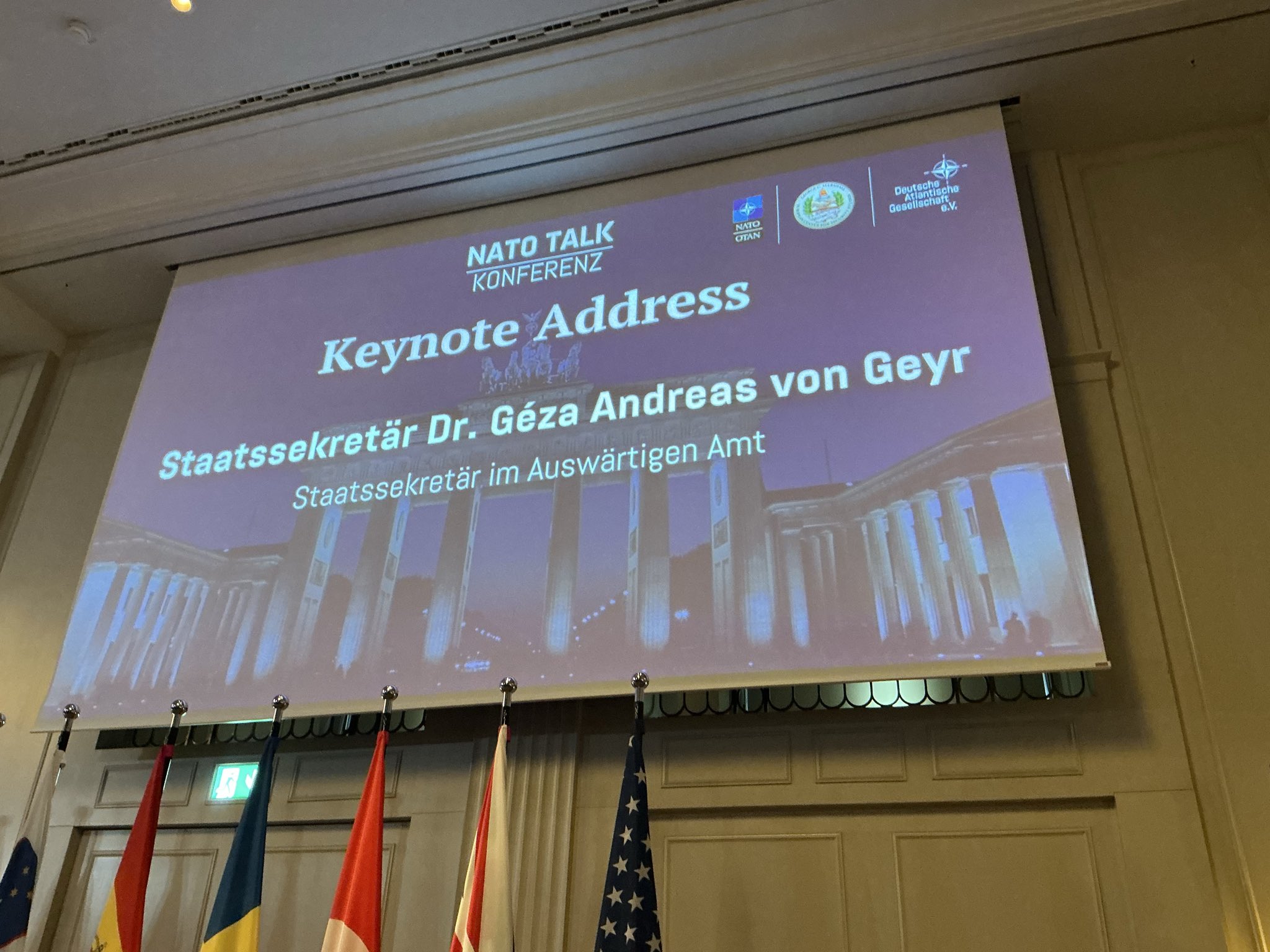
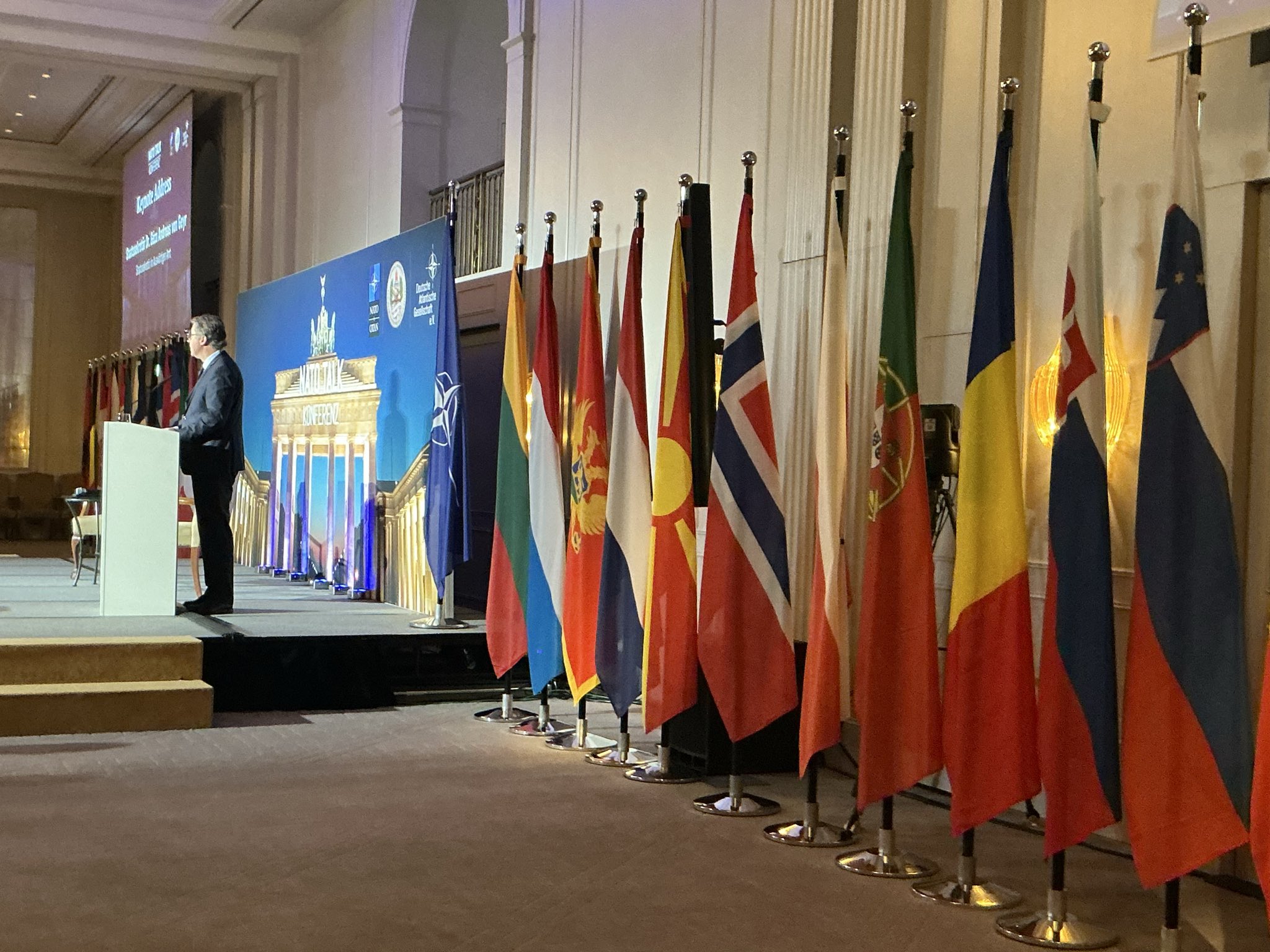
Secretary of State in the German MFA, Géza Andreas von Geyr during #NATOTalk Conference in Berlin:
We do not need a “new security architecture” as …
Pokaż więcej
Jared Kushner mentioned it after the talks in Abu Dhabi. I am not sure what the U.S. representatives understand under this notion, but I know what Russia does: domination in Europe and veto rights over alliances.
NEW: Putin and members of the Russian delegation outlined Russia’s steadfast commitment to its original territorial demands of Ukraine and ultimatums to dismantle NATO and the post-Cold War European security architecture following the …
Pokaż więcej
latest trilateral talks in Abu Dhabi on November 12. Putin remains unwilling to compromise on any of these demands. ⬇️
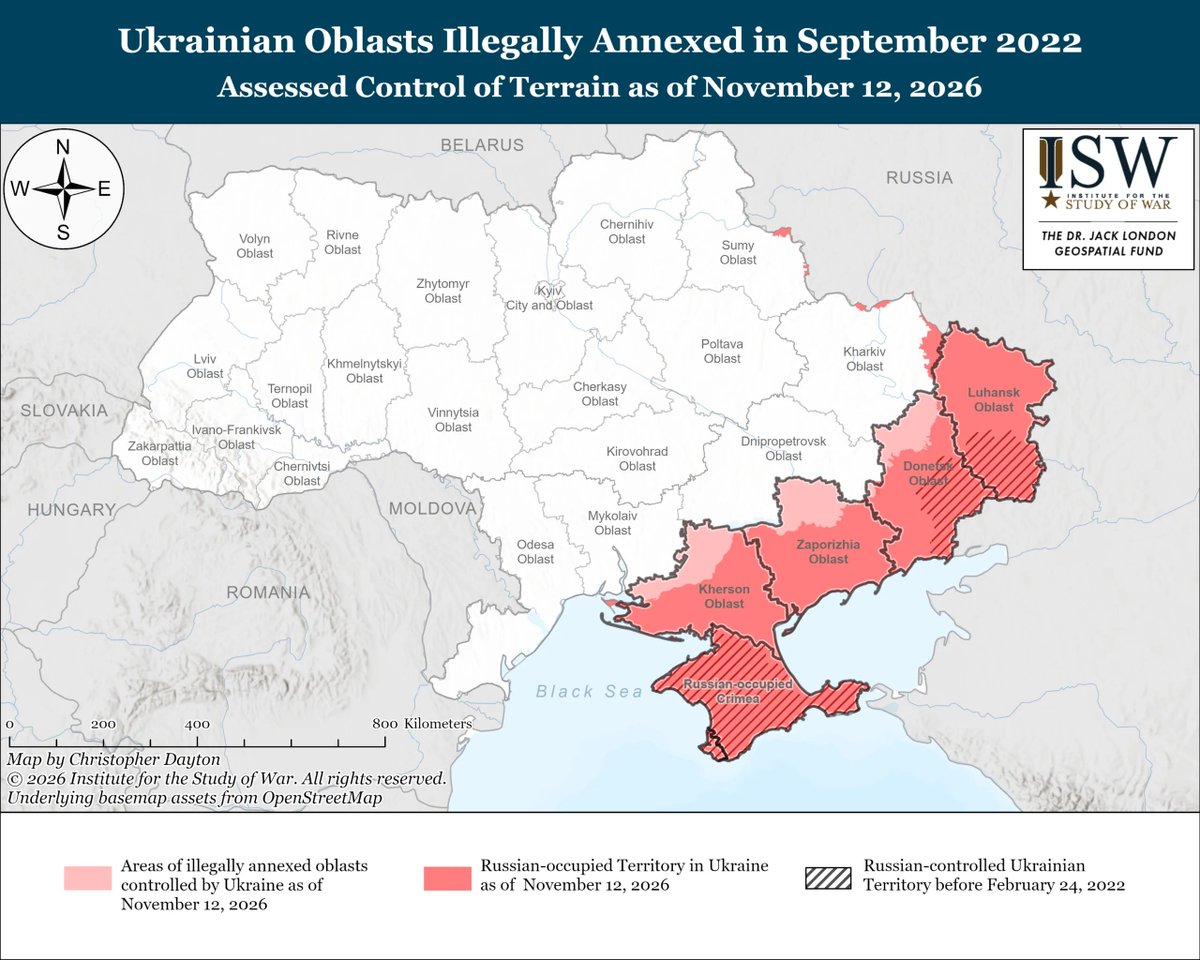
- Putin is refusing to accept any proposed future demilitarized zone in post-war Ukraine or to abandon his demand that Ukraine hand over the parts of Luhansk, Donetsk, Zaporizhia, and Kherson oblasts that Russian forces have not seized.
- Putin is also unwilling to cede the territory in northern Ukraine that the Kremlin claims Russian forces have seized but that lies outside of the four illegally annexed oblasts.
- Putin continues to reject all meaningful Western security guarantees for post-war Ukraine.
- Russian negotiators used the Abu Dhabi talks to reassert their 2021 demands of NATO.
Quite important in the above context what @vonderburchard writes:
“According to Merz’s spokesperson, Kornelius, the Europeans and the United States have “agreed on four principles” in Abu Dhabi (although not yet with Russia):
Pokaż więcej
“First, on sequencing: the sequencing envisages that discussions will first focus on peace in Ukraine and subsequently on an order that could prevail in Europe and the transatlantic – Euro-Atlantic – space.
Second, on the context of the negotiations: this means that the negotiations will not focus exclusively on this architecture as a single issue; rather, Ukraine is an inherent part of the Euro-Atlantic security architecture. This means that there will be a great many sub-issues to consider and negotiate. Efforts will be made to address these in working groups. These will concern questions of security guarantees and treaty-based assurances.
The third principle agreed upon is consensus. Consensus means that any agreement will have to be endorsed by all members. If consensus cannot be reached among NATO members, these arrangements cannot be implemented either. Consensus is therefore also a fundamental element for the American side.
The fourth principle is summed up in the term ‘no-surprise policy’, meaning no surprises. This means that Europe and the United States have agreed to develop a common understanding under which these negotiations will now continue without side deals, with the necessary transparency and in close coordination.””
Hans von der Burchard (@vonderburchard)
Laut Merz-Sprecher Kornelius haben sich die Europäer und USA in Abu Dhabi „auf vier Prinzipien geeinigt“ (jedoch noch nicht mit Russland):
„Erstens, über die Sequenzierung: Die Sequenzierung sieht vor, dass zuerst über den Frieden in der Ukraine diskutiert wird und anschließend über eine Ordnung, die in Europa und im transatlantisch-euroatlantischen Raum herrschen kann.
Zweitens, über den Kontext der Verhandlungen: Der Kontext bedeutet, Verhandlungen werden nicht monothematisch über diese Architektur geführt, sondern die Ukraine ist inhärenter Teil der euroatlantischen Sicherheitsarchitektur. Das heißt, es wird dann sehr, sehr viele Unteraspekte zu betrachten und zu verhandeln geben. Das wird man in Arbeitsgruppen versuchen zu erreichen. Dabei geht es um Fragen der Sicherheitsgarantien und um Fragen der vertraglichen Sicherheiten.
Das dritte Prinzip, auf das sich geeinigt wurde, ist Konsens. Konsens bedeutet: Jede Vereinbarung wird nur von allen Mitgliedern getragen werden. Sobald kein Konsens unter den NATO-Mitgliedern erreicht werden kann, können diese Verabredungen auch nicht umgesetzt werden. Konsens ist also auch für die amerikanische Seite ein tragendes Element.
Das vierte Prinzip ist umschrieben mit einem Begriff, einer „no-surprise-policy“, also keine Überraschungen. Das heißt, es gibt die Verabredung zwischen Europa und den USA, ein gemeinsames Verständnis zu entwickeln, wonach diese Verhandlungen jetzt ohne Nebenabreden, mit der nötigen Transparenz und in enger Abstimmung fortgeführt werden.“
— nitter.jaydenha.uk/vonderburchard/status/2120583429800804764#m